
Cannabis vaping has become one of the most popular consumption methods in recent years, thanks to its convenience, portability, and ability to deliver a clean, controlled experience. At the center of this trend are vape cartridges—small, discreet devices that allow users to enjoy cannabis oils without the need for rolling papers, pipes, or lighters. But how exactly do these cartridges work? Let’s break it down into three core components: the oil, the battery, and the pod or cartridge system.
Cannabis Oils: What’s Inside the Cartridge
The heart of any vape cartridge is the cannabis oil it contains. This oil is a concentrated form of cannabinoids such as THC, CBD, or blends of both, often combined with terpenes that provide aroma and flavor. Different extraction methods—like CO₂ extraction, distillation, or solventless rosin pressing—are used to produce these oils.
Manufacturers may also adjust viscosity (thickness) by adding terpenes or natural diluents to ensure the oil vaporizes correctly. A too-thick oil can clog the cartridge, while one that’s too thin may burn too quickly. Ultimately, the goal is to create a smooth vapor that delivers cannabinoids efficiently while preserving the strain’s flavor profile.
Batteries: Powering the Experience
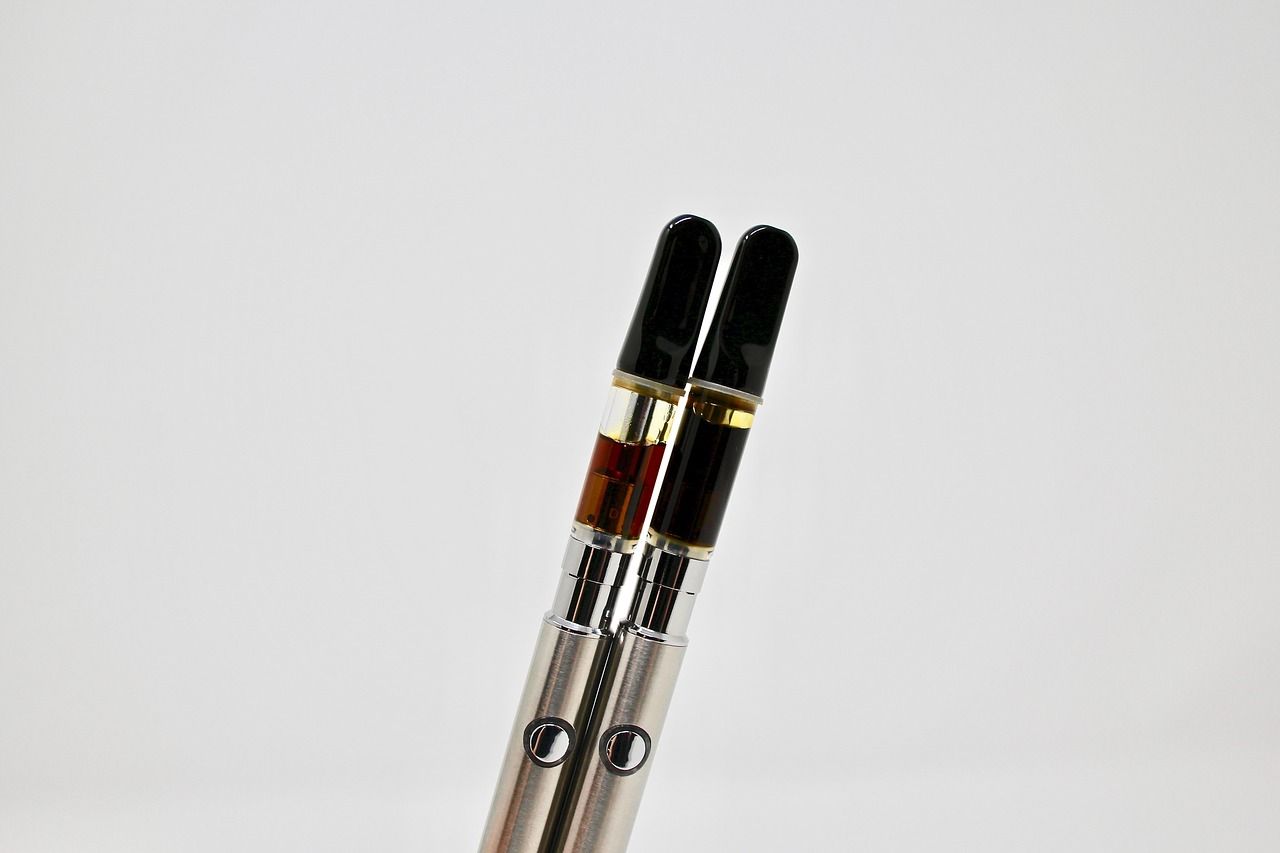
The battery is the power source that makes vaping possible. Most cartridges are designed to work with a 510-thread battery, named after the standard thread size used in the industry. These batteries come in different forms—disposable stick batteries, pen-style devices with variable voltage, or even advanced models with temperature control settings.
When a user inhales or presses a button (depending on the device design), the battery sends an electrical current to the atomizer inside the cartridge. The atomizer is essentially a heating element—usually a coil wrapped around cotton or ceramic—that warms the cannabis oil just enough to convert it into vapor without burning it. This process makes vaping less harsh compared to smoking since no combustion takes place.
Pods and Cartridges: The Delivery System
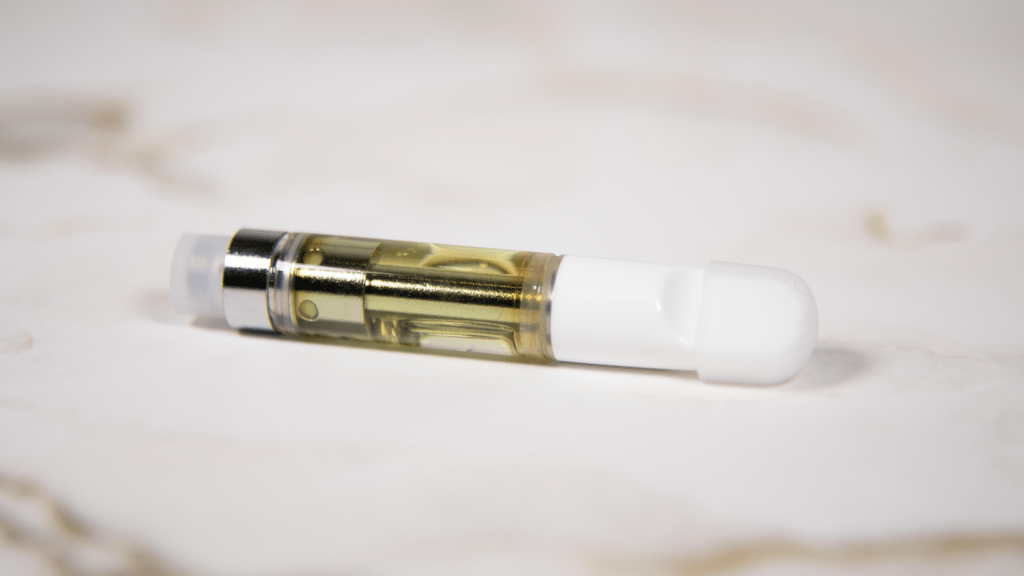
Cartridges are pre-filled containers that hold cannabis oil and attach to the battery. They come in two main categories: open-system and closed-system.
- Open-system cartridges are the classic 510-thread style. They’re widely compatible across brands and allow users to switch between different cartridges as long as the threading matches the battery.
- Closed-system pods are proprietary formats used by some brands. Instead of a universal 510 thread, these pods are designed to fit specific batteries or devices. While this limits interchangeability, pods often provide a more reliable fit, fewer leaks, and smoother performance.
Inside both cartridges and pods is a wick and coil system. The wick absorbs the oil and feeds it to the coil, which then heats the liquid into vapor. Modern designs often use ceramic coils, which are praised for durability and flavor retention compared to traditional cotton wicks.
The User Experience: Putting It All Together
When everything works in harmony—the properly extracted oil, a reliable battery, and a well-engineered cartridge or pod—the result is a consistent and flavorful vapor. Users inhale through the mouthpiece, drawing the vaporized cannabinoids and terpenes into their lungs for rapid absorption. Because there’s no smoke, the experience is smoother and often more discreet.
Why Understanding Matters
Knowing how vape cartridges work helps consumers make better choices. Factors such as oil quality, battery compatibility, and pod design directly affect performance, safety, and enjoyment. For example, a low-quality coil may burn the oil and alter the taste, while mismatched batteries and cartridges can lead to poor vapor production or leaks.
In short, vape cartridges are more than just convenient—they’re carefully engineered systems where oils, batteries, and pods each play a critical role. Understanding these components empowers users to select the right products for their needs while appreciating the technology behind today’s most popular cannabis devices.